
Two Metres – just an arbitrary measure of distance; it does not really have any meaning because it could be 1 metre or 1.55 metre. Yet in March 2020 in the UK Two Metres became a new proscribed social distance we had to abide by. During multiple lockdowns during Covid-19 I documented my walks and the changing environment that this time brought.

The Not so Silent Line
La Petite Ceinture (little belt) was built between the 1850s and 1870s to connect the main railway stations of Paris. Designed to carry passengers and freight, it soon become the first metro in Paris, but from 1900 onwards, with the first modern metro lines built, passenger numbers declined and in 1934 the line was closed to passengers. By the early 1990s freight traffic too had also largely ceased. Apart from a few sections that have been transformed into public parks, most remain a landscape in limbo – a secret (or not so secret) route around the city.
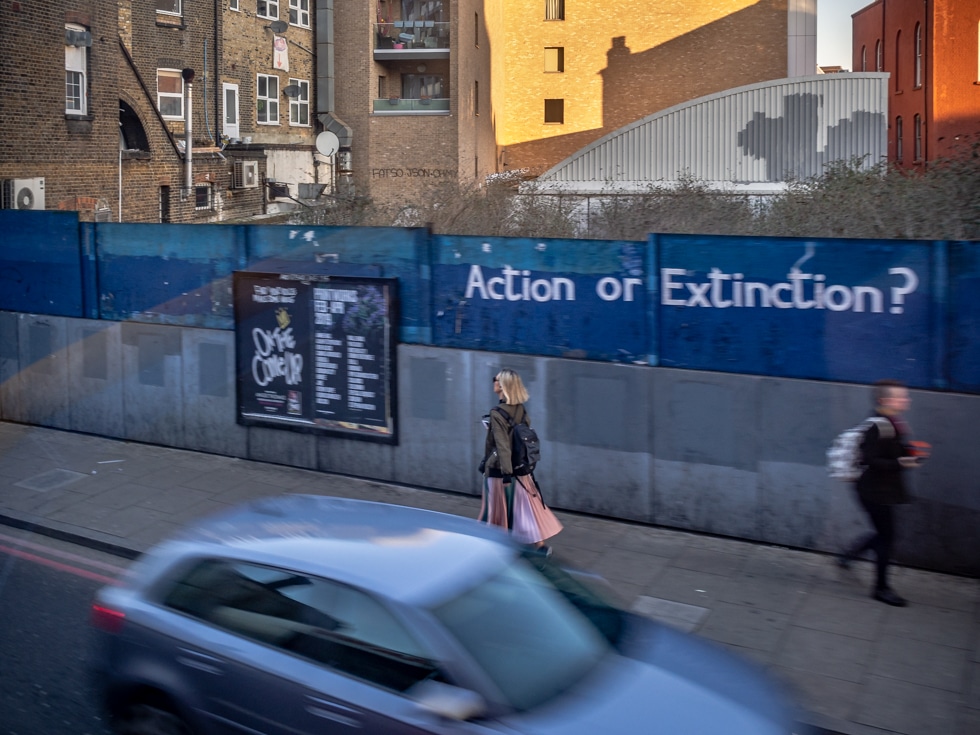
Action or Extinction
Action or Extinction. Three words on a billboard, made me look at my daily commute on the bus in a different way.
I started looking at the street below from a different perspective.
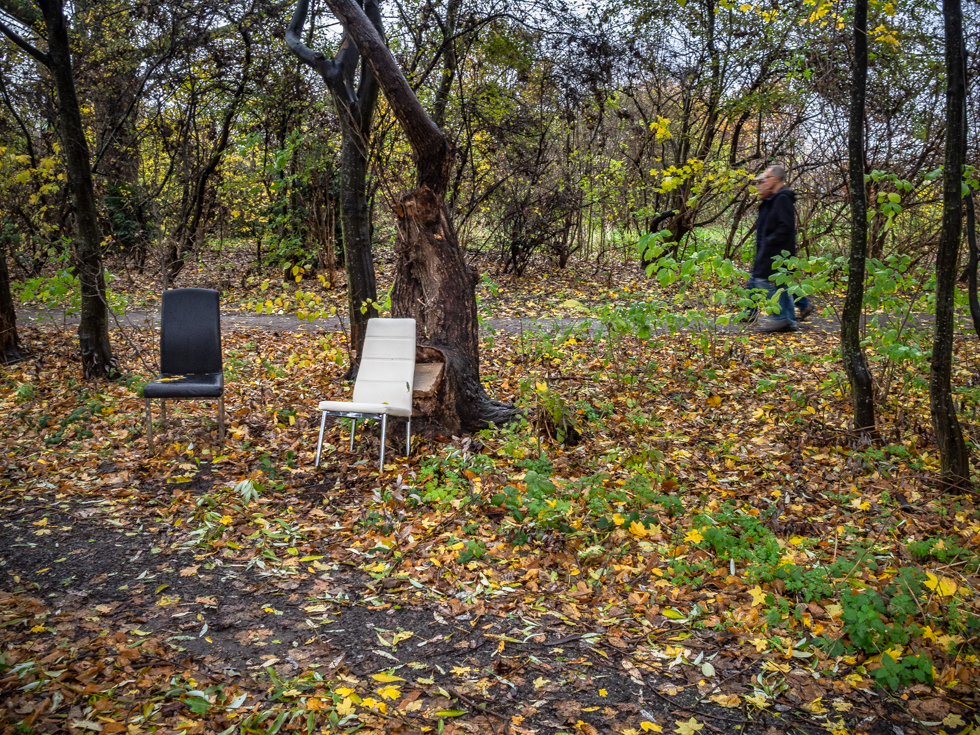
A Journey Along the Lea
‘A tale of two Swannes’ a journey along the Lea, exploring London’s second river via a non-linear route, criss-crossing the Lea Valley from wetlands to urban edgelands and beyond – a journey of discovery.

Borderlands
Borders define the spaces in-between — the crossing points from one place to another. Following the course of London’s second river, the Lea, I’ve discovered the series of edgelands — real, historical and mythological that occur along it’s path.
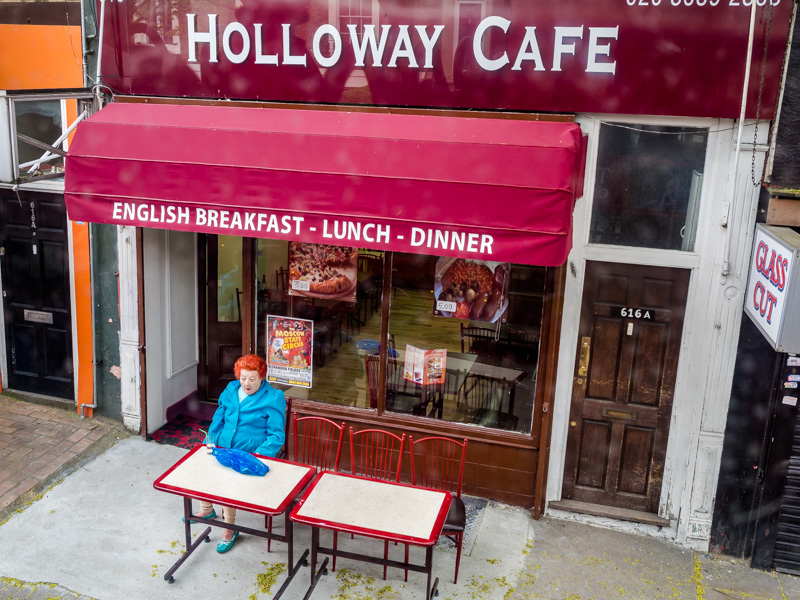
An Elevated View
This is a commuter’s perspective of London – a passing view of the city defined by the top deck of a London bus. It’s a familiar streetscape caught in a series of momentary glances as the bus lurches and sways to its destination.
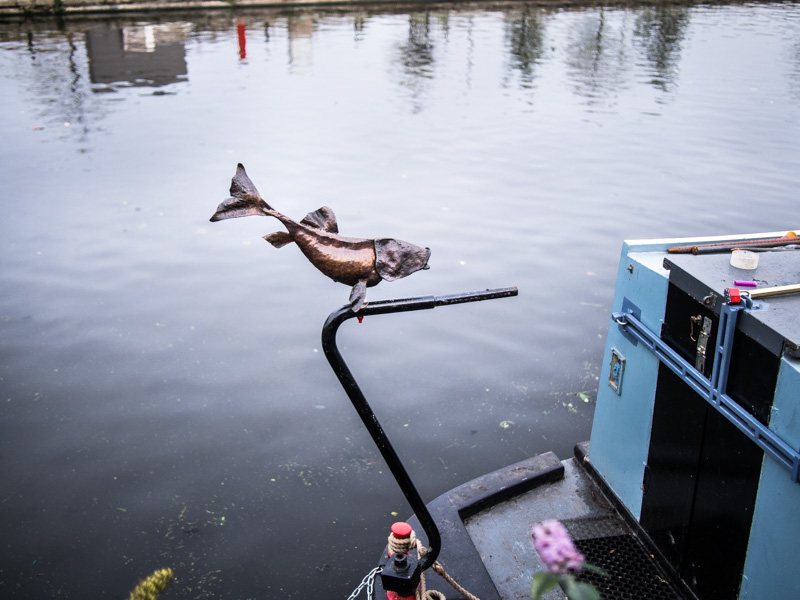
Meandering along the Lea
While we may know the Thames, the Lea, London’s second river is perhaps less familiar. Yet it has its own history and identity – walking along its towpaths you discover a constantly managed space that has been re-constructed and diverted since the 12th Century.
Paris Murs
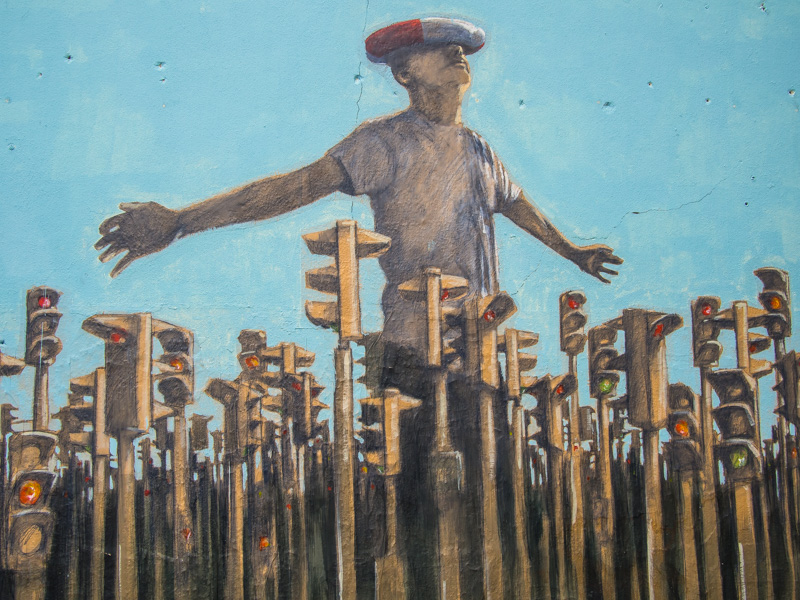
I’ve been walking the same Paris streets and re-tracing my steps countless times to observe the ephemeral and the permanent of the street art of the city. While Mosko et Associés prowling tigers at Villa de L’Ermitage are long gone the urban tigers at Rue des Rosiers remain much as I first found them in 2006 – though someone has added ‘nature strikes back’ over the original work.
Regents Canal the linear London village
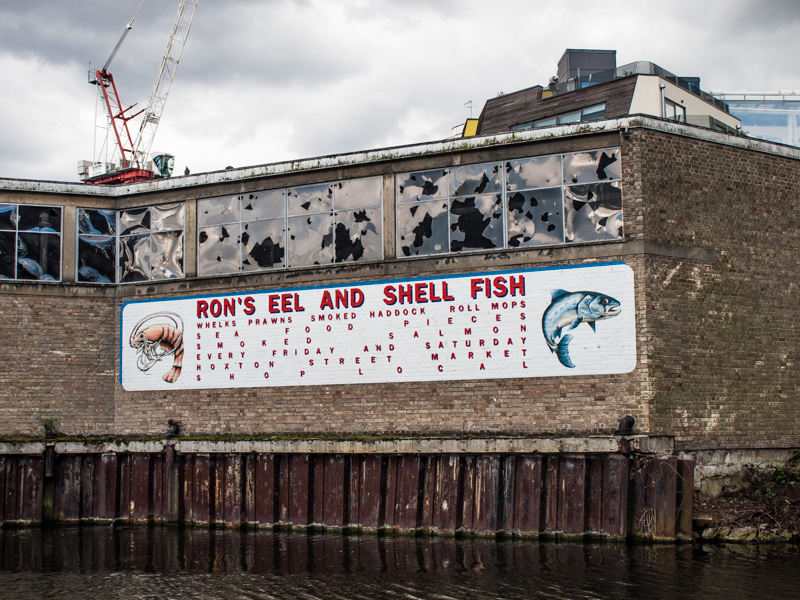
The Regents Canal in London runs from Paddington in the west to the Limehouse basin in the east, taking in a broad microcosm of London. At the western edge are the grand houses and mansion blocks of the established affluence of Little Venice and the splendour of Regents Park. As we move to Islington and Hackney, new housing developments, old council estates and a decaying industrial landscape define an urban landscape that is rapidly transforming. The old canal-side living of the narrowboat is being replaced by apartment blocks that crowd the canal path and define a new urban district for London.
London Southbank – a random walk
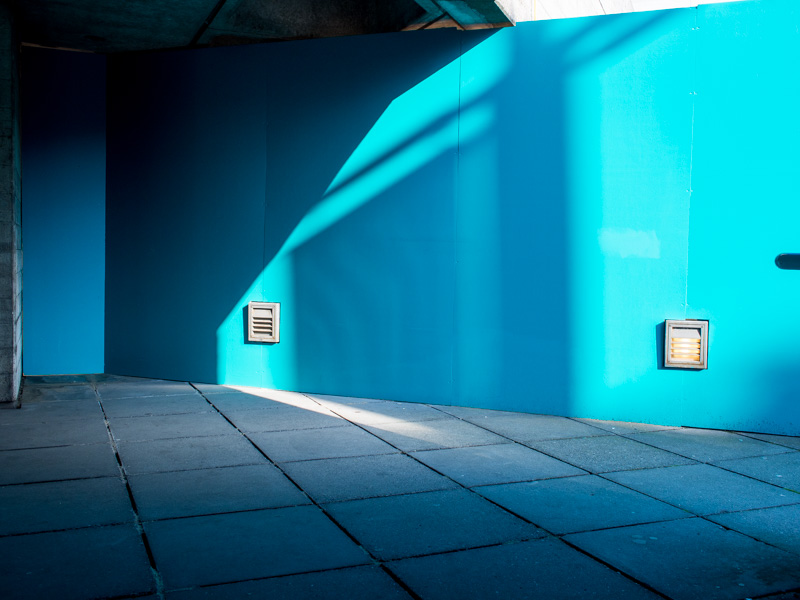
The Southbank is a great public square along the Thames. From the London Eye to Tower bridge you can follow the course of the river and the concert halls, galleries and cinemas that line it’s path. At low tide the beaches emerge from the river and close to Tower Bridge is a flotilla of boats arranged in a square, facing the luxury flats along both sides of the river.

Paris Lovelocks
The lovelocks of Pont des Artes have transformed to form a wall of multi-coloured locks on the surface of the bridge – a pattern of little shapes declaring undying love and togetherness. As the real estate of the main bridge becomes oversubscribed the locks have found their way to the bridge approaches – and other bridges in Paris